Browse Author

Larry Martinez

Residential Electrical – Your Local Electricians

Residential Electrical

Have you been in search of residential services for electrical contracting? If your answer is yes, then you should call our company right away. We specialize in providing residential and commercial electrical contracting. You could say that this is our bread and butter; we certainly know what your electrical needs are and we can provide you the best solutions as well. The most important aspect would be to identify the problem and then prevent electrocution or shocks from taking place.

residential electricians san antonio

We have recognized the fact that most homeowners are reluctant to carry out any type of electrical repairs, or for that matter, it is not one of the standard items on the family budget. However, avoiding these issues could prove to be a dangerous choice. Additionally, you will be able to avoid any further damage or danger to the home and family by doing so. This is precisely the reason why we at our company have on offer a variety of financing options recognizing the electrical needs of the homeowners by presenting you with budget-friendly options. This way, you don’t have to burn a hole in your pocket at the same time you can protect the family all at once.

Why Opt for Residential Services?

Since prevention is always better than cure, it would be a good idea that you take up the services of our company at your earliest convenience to conduct an Electrical Inspection. We extend our services not just for single-family residential services but for multi-unit residential housing as well. The electrical services that are provided include as mentioned earlier, a comprehensive safety inspection along with code updates and repairs. In addition, our company will replace the old wiring and upgrade it to high-grade copper wiring. We install landscape lighting, sauna, hot tub, breaker panels, wiring of appliances, specialized wiring required for the entertainment system and television, emergency backup generators and we take up restoration projects as well.

In short, it means that our company is equipped to handle all your residential electrical needs. So, if you need an electrician to sort out any issue, we are just a call away. You can be sure that your electricians are experienced, skilled and use the best equipment. Additionally, they install and provide high-quality products and services that are sure to put a smile on your face at the same time to secure your home and family from any impending electrical danger. You can rest assured when you use our services, we adhere to the electrical codes and laws. This way, we are adept at identifying any violations or problems related to the existing electrical system.

The Residential Services that are extended include:

New outlets
Ceiling fans
Spa and pool circuits
Data and phone lines
Repairs and home inspections
Breakers installation and services
Code violation repairs
Occupancy Inspection Repairs

For all these residential services and more, all you need to do is call our company and set up an appointment right away!

This Blog was posted for you By Good Electric in San Antonio

Turn all the Organic Waste into Compost.

Turn all the Organic Waste into Compost.

If you have a yard or garden, you know that grass clippings, leaves, dead plants, tree branches and shrub trimmings can add up fast–especially in late summer. An alternative to having it hauled away is to turn all the organic waste into compost.having a great lawn

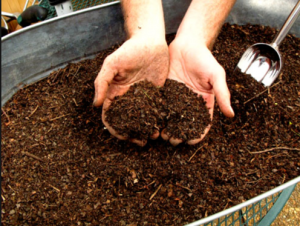
At first glance, a compost pile may look like a big pile of dead leaves, old plants and grass clippings. Inside, though, there’s a bit of backyard science taking place. Microorganisms are eating away at that pile of yard waste and turning it into compost. Compost is really a nutrient-rich soil amendment, much like a fertilizer, that helps vegetables, flowers, lawns and potted plants grow healthier and stronger.

The process of composting is a natural occurrence that happens all around us–it ‘s nature’s way of recycling organic material. When a leaf or tree limb falls in the woods, it eventually decays and turns to compost and acts as a natural fertilizer that encourages new growth. This process can takes years.

When you compost at home, you speed up the process. With a little planning, you can produce usable compost in as little as three weeks. And, despite what people think, a properly maintained compost system doesn’t create any unpleasant odors.

The first thing to know about composting is what can and can’t be composted. The simple answer is–any plant material that was once alive can be composted:composting

fallen leaves
grass and lawn clippings
hay
old fruits and vegetables
annual weeds before they seed
remains of garden plants
woodchips and sawdust
fruit and vegetable peels and scraps
tea bags
coffee grounds
eggshells
Do not compost the following materials:

painted or chemically treated wood
diseased plants
annual weeds that have gone to seed
roots of perennial weeds
human and pet waste, including litter
meat scraps
fatty foods
milk products
bones

While home composting is becoming more popular, a growing number of cities and municipalities are also realizing the benefits of composting. Many now operate large-scale composting facilities to help cut down on the growing amount of material going into landfills. The process is similar to a home composting system, but on a larger scale.

It takes about three to four months, a controlled combination of moisture, air, microorganisms and temperatures reaching up to 160 degrees F to turn yard waste into compost. Some of the finished compost is sold to landscaping companies, some is used in sanitary landfills and the rest is given away to gardeners.

On a smaller scale, starting your own home composting system is pretty easy. You can either buy a commercial composting bin or build one yourself. The choice really depends on how much material you have to recycle and how fast you want to make finished compost.

Freestanding compost piles are the simplest system. If you don’t have a lot of material and you’re not in a hurry, this is the one for you. Just start piling on the yard debris and food scraps and let nature do the rest. Be patient: this form of passive composting can take up to two years to make finished compost.compost

Enclosed one-bin systems make compost more quickly and require a little more maintenance. It’s a great way to get started with composting. You can buy several types of bins at nurseries, hardware stores, home improvement centers, garden catalogs or on the Internet:

A hoop-type composter is just a piece of plastic with lots of holes in it. Fill it with waste materials and mix, or turn, the contents every week or two with a pitchfork or shovel. You can have finished compost in 3 to 4 months.
A square plastic bin is a fancier unit with vents in the side for aeration and small openings for easy removal of the finished compost. These units cost anywhere from $150 to $200.
A compost tumbler is more user-friendly than a bin that sits on the ground. Fill it with waste materials and rather than turning it, just rotate the bin to mix and aerate. This system costs about $150 to $200 and creates compost in about 3 to 4 weeks.
If you don’t want to purchase a compost bin, you can make one out of wire, wood , concrete blocks or even a plastic garbage can with holes drilled into it.
Four wooden pallets can be used to contain a compost pile. To make turning the pile and removing the finished compost easier, hinge the front pallet so it swings open. A note: when using wood, avoid using treated lumber because it may contain toxic chemicals that could leach into the compost.
A wire bin is made by making a circle with garden stakes that measures 3 to 4 feet in diameter. Wrap wire fencing around the stakes, attaching it securely with cable ties.
A one-bin unit is great for making a single batch of compost every few months. If you have a lot of yard and garden waste and want to produce a steadier supply of compost throughout the growing season, a single bin probably won’t be enough. You may have to graduate to a multi-bin system to recycle the material that your yard produces.

Tree Evaluation – Tree Services

Tree Evaluation

San Antonio Tree Services

A Tree evaluation may be needed as these symptoms may be the cause of many factors (disease, insects, fungal infections) but most commonly it ends up being a Non Living irritant to the tree. So I will go over why your leaves may be yellow, browning or dying in San Antonio.
Chlorosis is the first condition that decreases the amount of chlorophyll in the leaves giving them a yellowish color. The source cause of the chlorosis could be from poor planting, damaged roots, poor temperatures, pollution, lack of nutrients and inconsistent soil moisture. Tree Services

All of these factors we can control to some degree on our own although the treatments may be short or long. It is highly important to get the chlorosis under control as chlorophyll is the most important part of photosynthesis and will damage the tree in the long run.

Do an inspection, that is a good start, has there been any soil disturbances? any change in moisture? any change in soil temperature? (for temp. consider mulching or heat bulbs) If the answer hits you in the face take care of it and monitor the leaves over the coming months. If the chlorosis is a result of poor nutrition you may need a soil sample taken to evaluate the contents of your soil. Often the PH balance in your soil can be tampered with by landscapers trying to get the grass green, a pre emptive effort may be to use a complete fertilizer 2X a year to balance the soil. (I recommend late summer and spring. It is important to have the soil fertile in fall as a tree absorbs the energy and prepares then for the next years spring growth, a good fertilizing before fall can increase your yield come spring)

Leaf Scorch is the second reason why your leaves may be yellow, browning or dying in San Antonio. This is generally identified by browning or dying of the area between the veins of a leaf. It is caused by lack of moisture in the leaf. The early symptoms of leaf scorch can appear to be chlorosis, yellowing and drooping so in early stages it may be hard to identify.

The question you have to ask yourself is why is your leaf not getting moisture? The answer may be found as a needle in a haystack. Is it pests-borers that have bored through the stem? is it environmental such as drought? is it some form of soil contamination like PH balance change? Is it a tree that was planted in a small hole surrounded any compact soils and the roots have nowhere to go? Has a root been cut lately by a plummer or mason doing construction work? Was there an unusual freeze or frost? These are some of the questions you must ask.
Tree trimming
First order is to rule out pests. Maybe knock off some upper leaves, stems from the crown and inspect them with a glass to see the little buggers. If you see nothing inspect the branches and truck for holes. If nothing is found at this point it may be time for a soil sample. If you choose to skip this I would do the same as above recommendation and use a complete fertilizer and get your tree on a regular watering cycle. How much water is different in each case because of different soil compositions, if your soil is compact be careful not to over water because the lack of drainage could cause root rot and other fungi. If you have well drained soil it may be in need of a fertilizer and more frequent watering. Remember, “Do Not” water in winter. A tree is unable to absorb during this time and you may do damage.

I hope all of this has helped in finding out why your leaves may be yellow, browning or dying in San Antonio. I wish you the best and hope your tree’s do well. As always we are here to help if need be.